


Leesbril
Vergrotende lenzen om u te helpen het zicht van dichtbij te verbeteren
Leesbril
Wat zijn leesbrillen?
Een leesbril is ontworpen met hoogwaardige lenzen die vergroten en het gemakkelijker maken om iets van dichtbij te zien of te lezen.
Wat zijn leesbrillen?
Een leesbril is ontworpen met hoogwaardige lenzen die vergroten en het gemakkelijker maken om iets van dichtbij te zien of te lezen.
Heb ik een leesbril nodig?
Naarmate we ouder worden, worden onze ogen zwakker en verliezen we het vermogen om ons op objecten van dichtbij te concentreren. Een leesbril is voorzien van vergrotende lenzen die alles in ons gezichtsveld vergroten, waardoor voorwerpen op korte afstand, zoals tekst, er duidelijker uitzien.
Sterke punten van een leesbril
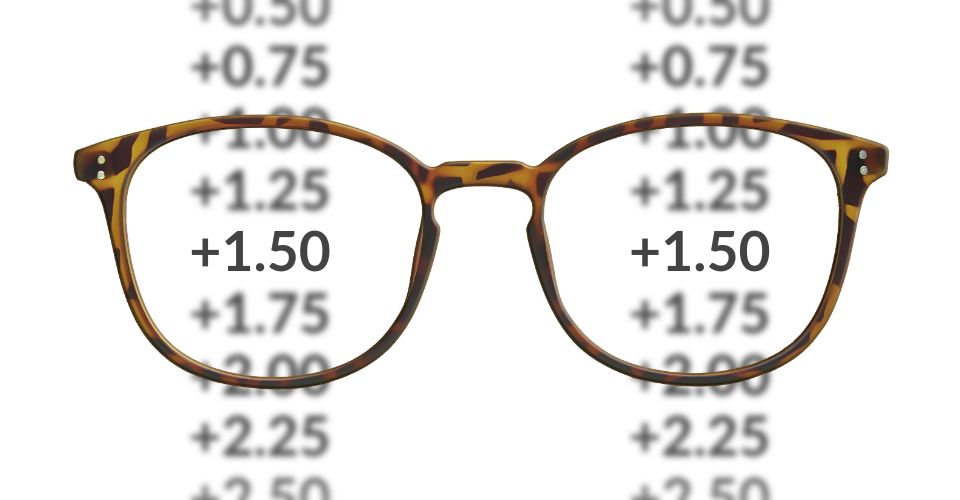
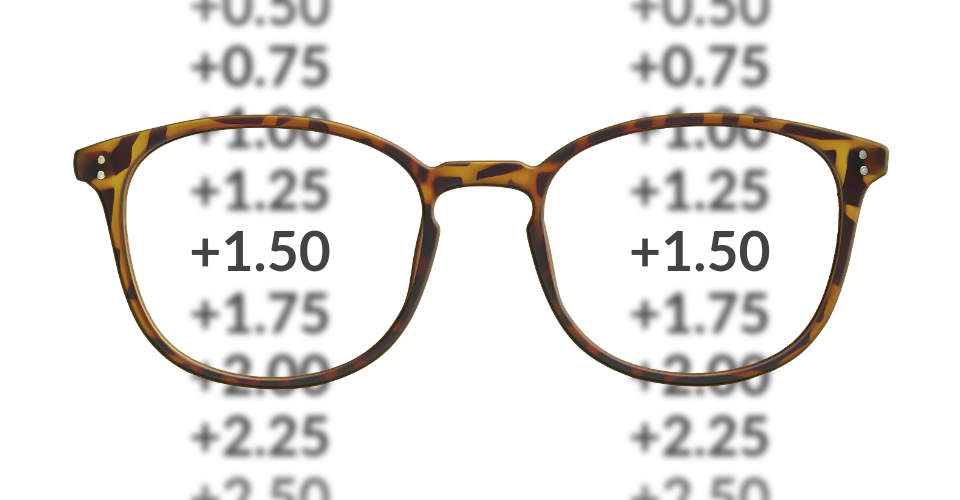
De sterkte van de lenzen, dioptrie genoemd, varieert afhankelijk van uw leeftijd, gezichtsvermogen en hoe u uw bril gebruikt. Een +1,00 paar geeft een sterkte van één dioptrie aan. De dioptrieniveaus stijgen gewoonlijk met kwartstappen en variëren van +1,00 tot +4,00.
Everything you need to know about reading glasses
Aanbevolen monturen voor een leesbril
Sorry, we could not find the following product IDs in our database: 541036, 391210, 541036. Please check and use correct values.
Everything you need to know about reading glasses
Aanbevolen monturen voor een leesbril
Sorry, we could not find the following product IDs in our database: 541036, 391210, 541036. Please check and use correct values.
Onze optische experts
Maria Horan FBDO
Dossier opticien
Maria heeft een BSc Honours in Ophthalmic Dispensing en heeft meer dan 17 jaar optische ervaring.
Beck Jinnette
Dossier opticien
Beck heeft meer dan 17 jaar ervaring in de oogzorg en heeft haar certificaat IV in Dispensing in Australië.
Sharlene McKeeman FBDO
Dossier opticien
Sharlene is gediplomeerd opticien en lid van de Association of British Dispensing Opticians.
Praat met een gecertificeerde opticien
Heeft u vragen over oogzorg? Wij zijn er om u te helpen.
Vraag onze opticiens om advies waarop u kunt vertrouwen.
Praat met een
gecertificeerde opticien
Heeft u vragen over oogzorg?
Wij zijn er om u te helpen. Vraag onze opticiens om advies waarop u kunt vertrouwen.
FAQs
Reading glasses are not only designed for reading, but for seeing up-close objects clearer. Whether reading, looking at a tablet, or focusing on another hands-on activity, most people view anywhere between 45 to 55 cm from their eyes. Reading glasses offer lens power optimised for that range.
Reading glasses do not correct visual conditions and are only designed for seeing objects up-close more clearly. Reading glasses are non-prescription and should only be worn by those who do not require a vision prescription and who do not have an astigmatism. If you require a different prescription in each eye, readers are not a good choice as you cannot get them with different prescriptions in each lens. Wearing the wrong prescription will cause eyes to be over or under corrected, leading to eye strain or headaches.
It is not recommended to wear reading glasses if you have astigmatism. Reading glasses do not account for the CYL, causing your vision to remain blurred.
No one should wear reading glasses all day, especially while walking or driving. Wearing reading glasses while doing activities that require a wider scope of vision may cause a headache, eye strain, or even eye damage.
Reading glasses can be purchased over the counter without a prescription, but it is highly recommended that you receive a yearly eye exam to ensure your eyes are healthy.
If this is your first time purchasing reading glasses, you may not know what lens strength is best for you. The best way to find out which power you need is to consult with your eye doctor to ensure you choose the correct one.
FAQ
Reading glasses are not only designed for reading, but for seeing up-close objects clearer. Whether reading, looking at a tablet, or focusing on another hands-on activity, most people view anywhere between 45 to 55 cm from their eyes. Reading glasses offer lens power optimised for that range.
Reading glasses do not correct visual conditions and are only designed for seeing objects up-close more clearly. Reading glasses are non-prescription and should only be worn by those who do not require a vision prescription and who do not have an astigmatism. If you require a different prescription in each eye, readers are not a good choice as you cannot get them with different prescriptions in each lens. Wearing the wrong prescription will cause eyes to be over or under corrected, leading to eye strain or headaches.
It is not recommended to wear reading glasses if you have astigmatism. Reading glasses do not account for the CYL, causing your vision to remain blurred.
No one should wear reading glasses all day, especially while walking or driving. Wearing reading glasses while doing activities that require a wider scope of vision may cause a headache, eye strain, or even eye damage.
Reading glasses can be purchased over the counter without a prescription, but it is highly recommended that you receive a yearly eye exam to ensure your eyes are healthy.
If this is your first time purchasing reading glasses, you may not know what lens strength is best for you. The best way to find out which power you need is to consult with your eye doctor to ensure you choose the correct one.


